Selling Only on Marketplaces? Why Your Own Online Store Cuts Fee Costs and Brings Repeat Buyers Back
Selling only on marketplaces means fees keep cutting your profit and customer data isn't yours. Learn the benefits of having your own online store.
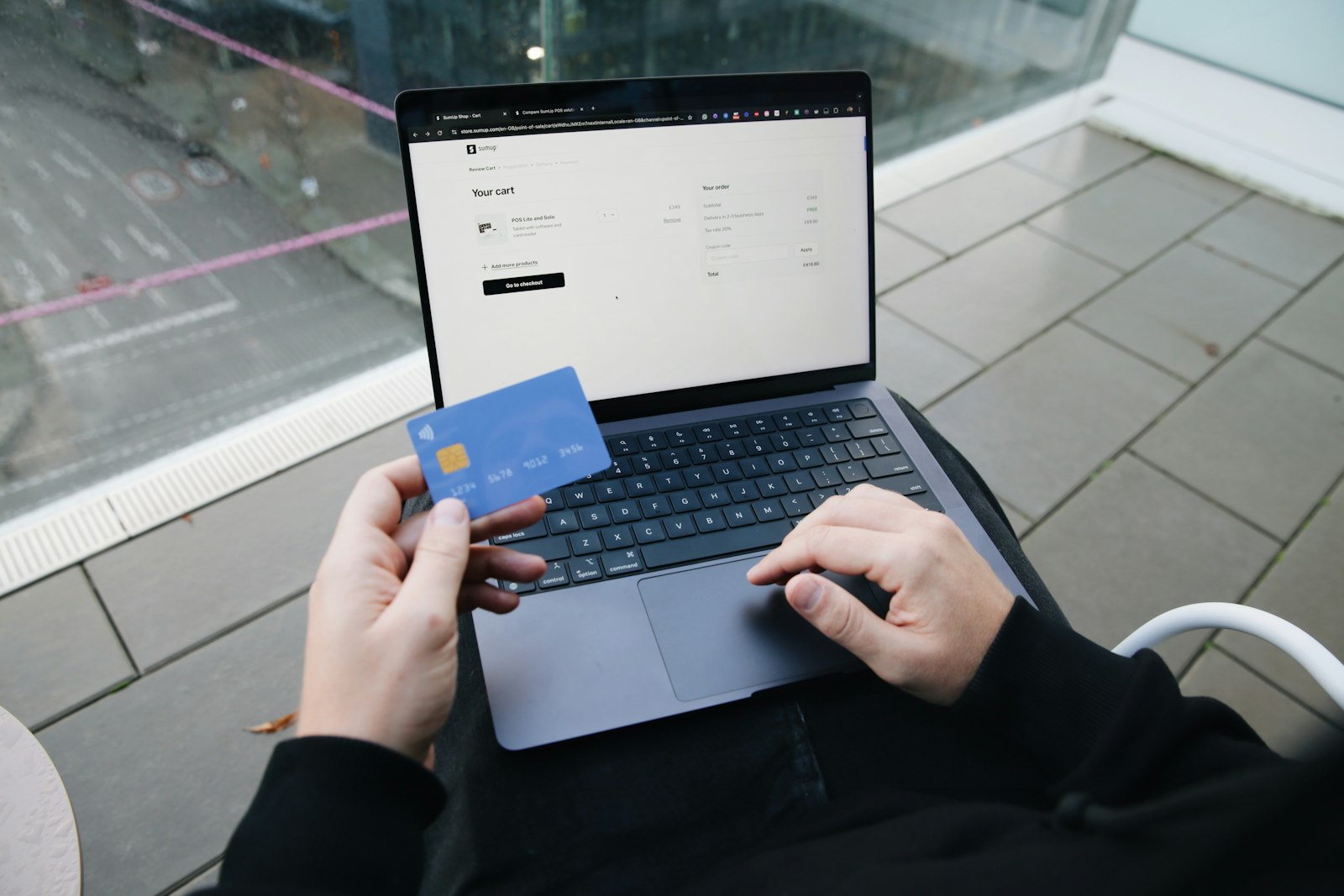
Many business owners I meet feel their digital journey is done once their shop is running on Shopee or Tokopedia. Orders come in, pack, ship, done. But try sitting down for a moment and opening last month's sales cost breakdown — there's one number that often comes as a shock: the total fees deducted. Beyond that, there's something that never appears in financial reports at all: you don't own anyone who has bought from you. I wrote this article from the perspective of my experience helping business owners make the same decision — when to stay on marketplaces, and when to start building your own online store.
Marketplace Fees That Quietly Cut Into Your Profit
The word "quietly" may sound harsh, but feel free to check your own seller dashboard: the sales commission breakdown, certain program fees that are switched on, and advertising costs if you've ever activated them. The percentages differ between categories and can change following platform policies. That's exactly where the problem lies — these fees aren't something you can negotiate or lock in for the long term. You always need to recheck the latest figures in your seller cost settings.
I don't want to imply that marketplaces are "evil". They provide massive infrastructure: traffic, payments, logistics. But as a business owner, what you must calculate is net margin, not just revenue. Marketplace fees are deducted from every transaction, continuously, and the amount grows as your sales grow. The more successful you are, the bigger the monthly deduction.
What You Don't Own on Marketplaces: Customer Data and Repeat Sales Opportunities
On marketplaces, buyer data belongs to the platform. You receive names and addresses for shipping purposes, but you don't have a customer database you can contact anytime. No email list, no purchase history you can use to offer complementary products.
Yet repeat sales are the cheapest source of profit. Convincing someone who has already trusted you is far easier than finding new buyers. On marketplaces, even satisfied buyers can easily be steered toward competitors' products through recommendations on product pages. With your own website, you collect customer contacts, send offers, and build relationships that can't be "recommended" to competitors.
Your Own Online Store as a Long-Term Asset: Save on Fees, Build Loyal Customers
Your own website still costs money: domain, hosting, payment gateway, and routine maintenance. But the cost structure is different. Website costs are relatively fixed and don't grow as revenue rises, while marketplace fees are a percentage of every sale. Over time, the difference becomes more noticeable.
More important than saving on fees: a website is an asset. Domain, content, search engine rankings, and brand reputation accumulate on your own property — not on a platform whose rules can change tomorrow morning.
A marketplace is a place to sell; your own website is an asset. A place to sell can have its rules changed at any time, while an asset grows and remains yours.
As for payments, you don't need to build a system from scratch. Simply connect a payment gateway to your store, and I've covered the options in my article on choosing a payment gateway: Doku vs Midtrans vs WinPay so you don't take a wrong step at the start.
When Marketplaces Are Still Useful: A Healthy Combination Strategy
Here's the honest part: don't immediately close your marketplace shop. Marketplaces still have a role — their traffic is huge, Indonesian buyers are accustomed to searching for products there, and their payment and shipping features are mature. For testing new products, marketplaces are still very efficient.
A healthy strategy usually goes like this: the marketplace as a channel for acquiring new buyers, your own website as the place where customers who already know your brand transact. The method is simple — slip a thank-you card containing your website address into every package, offer a special voucher for first purchases on your website, and regularly direct long-time customers there. Gradually, the share of transactions on your website grows without sacrificing the sales already running.
First Steps to Building Your Own Online Store Without Disrupting Current Sales
If you want to start, here's the order I recommend to keep the risk small:
- Start with a catalog. No need for complicated features; display products, decent photos, and a clear way to order.
- Connect payments. Choose a payment gateway that fits your business scale — the costs are generally lighter than marketplace fees, but still calculate the scheme yourself.
- Prepare shipping. Integrate shipping cost checks, or at least include a clear shipping policy.
- Build a customer data channel. Keep it simple: an email form or a customer group that you genuinely nurture.
- Let the marketplace keep running. Two channels run in parallel; one finds new buyers, one nurtures existing ones.
You can see a summary of the technical scope I usually work on for needs like this on my web development services page. Most importantly: start small, stay consistent, and evaluate the results every month.
Marketplace fees will never disappear as long as transactions happen there — that's a fact that must be accepted. But how much of a share you let be deducted, that's your decision. Having your own online store doesn't mean fighting the marketplace, but rather ensuring your business stands on your own asset that grows year after year.
If you'd like to discuss the first step — from feature requirements, payment systems, to estimated timelines — feel free to contact us through our contact page. I'd be happy to help you think it through from the start, in clear language without confusing jargon.