Paid Online Ads but No Increase in Orders? Why Your Business Needs a Landing Page, Not Just a WhatsApp Link
Ads are running but orders aren't growing? Learn why a landing page for your business is more effective than just a WhatsApp link for paid ads.
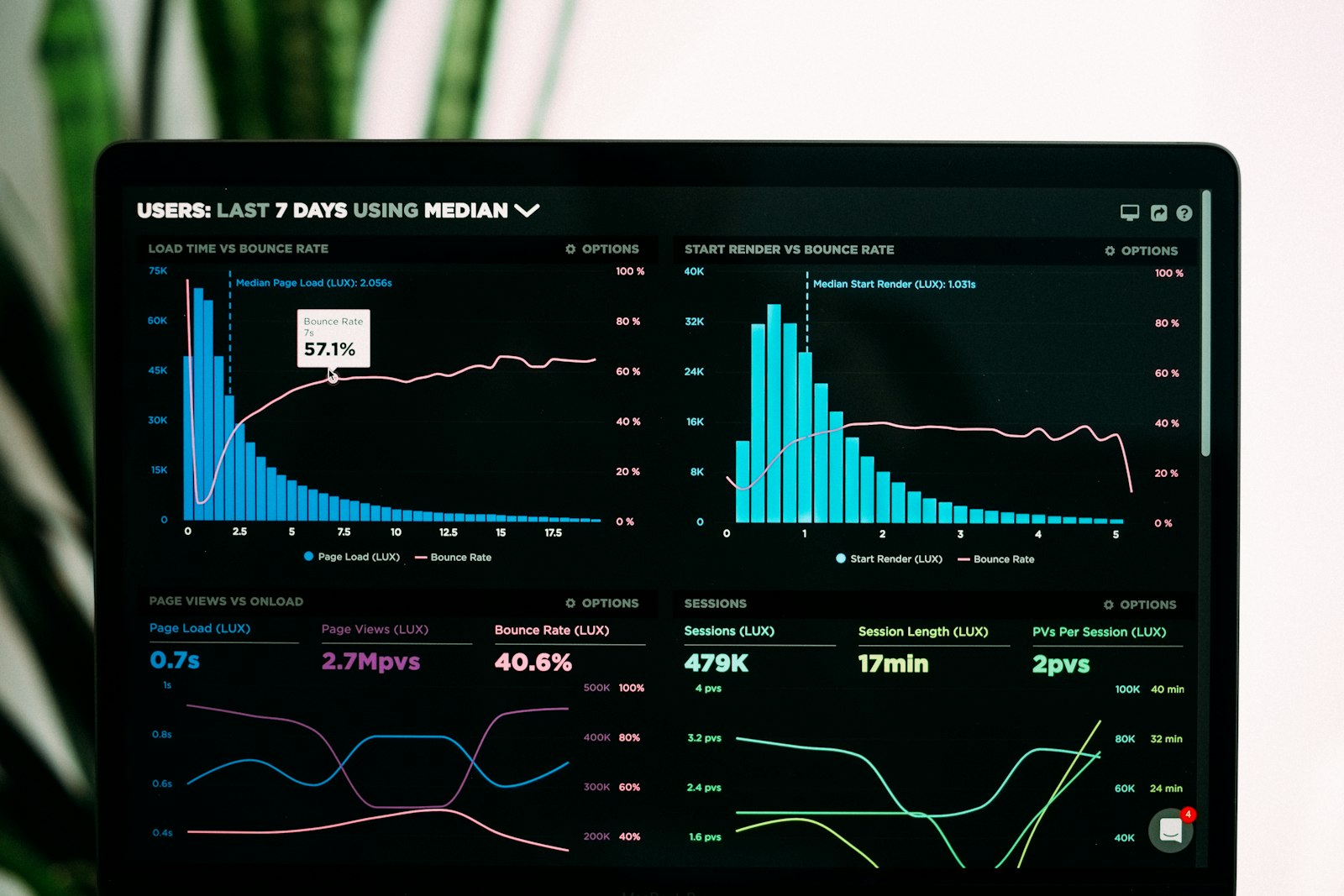
Photo: Luke Chesser on Unsplash
Almost every business owner I've ever met has experienced the same moment: the ads are live, clicks are coming in, the daily budget has been spent—yet the surge in orders never arrives. The first reaction is usually to blame the ads: change the image, change the caption, raise the bid. In reality, the problem often isn't the ad itself, but where the click lands. If the end goal of your ad is just a WhatsApp link, you're actually paying a premium to send people to a door whose contents remain unclear. In this article, I want to discuss why a landing page for business is far more worth considering as the destination for your paid ads—especially if your goal is to increase online ad conversions and reduce cost per order.
Signs Your Ad Traffic Is Leaking
The symptoms are consistent and easy to recognize. Your ads get clicks, but only a few people actually start a chat. Of those who do chat, many ask about the price and then disappear, or complain, 'Why do I have to chat first?' before ending the conversation. Ironically, the ads dashboard often reports good performance: plenty of clicks, reasonable cost per click. This mismatch between 'busy clicks' and 'quiet orders' is a sign your traffic is leaking—not because the ads are bad, but because the post-click experience fails to bridge the gap between 'interested' and 'ready to buy'. The more expensive clicks are in your industry, the more costly this leak becomes.
Why 'Clicking an Ad Straight to WhatsApp' Often Scares Potential Customers Away
A WhatsApp link does feel convenient: one click and people can start chatting right away. And that's exactly where the weakness lies. When someone clicks an ad, they're usually still in 'just browsing' mode and not ready to talk. Asking them to interact immediately—waiting for a reply, explaining their needs from scratch, without knowing whether the seller is credible—is asking too much at the most fragile moment: the first few seconds after the click. Not to mention the practical issues: messages read but replied to late, busy admins, the same questions answered over and over.
From the advertiser's side, a WhatsApp link is also nearly blind to data: it's hard to know what percentage of visitors actually start a chat, where they hesitate, and what makes them stop. The debate of landing page vs WhatsApp link isn't about trends; it's about who carries the burden of persuasion—you, or the potential customer.
Landing page: one page, one goal, one call to action
In business terms, a landing page is a dedicated page built for a single campaign and a single goal: turning visitors into orders. Unlike a full website, there's no menu luring people away and no other pages splitting their attention. There's only the offer, reasons to believe, and one call to action.
Three elements most determine whether visitors dare to order:
- A headline that within seconds makes people think 'this is what I'm looking for'.
- Social proof—photos of your work, reviews, a portfolio—that makes your claims feel real, not just words.
- A call-to-action that is specific and singular, so visitors aren't confused about where to go.
The most important lesson I've learned from working on landing pages: visitors don't need more information, they need fewer doubts. The page's job is to remove those doubts, not to add more words.
From conversation to transaction: connect WhatsApp and a payment gateway
It's important to note: a landing page doesn't mean abandoning WhatsApp. In fact, a good landing page 'warms up' visitors first, so when they finally chat, the conversation is already halfway there—they know the product, they know the price, they just need to make up their minds. The WhatsApp button on the page should carry context, such as an automatic message mentioning the product from that page, so the admin doesn't start from zero.
For products with clear prices, a landing page can go a step further: direct checkout through a payment gateway, so orders no longer depend on how quickly the admin replies to chats. As for choosing a provider, I've covered it in more detail in the article comparing Doku vs Midtrans vs Winpay to choose a payment gateway, including transaction fees and ease of integration.
Start simple, measure, then grow
A mistake I almost made early on: assuming a landing page has to be fancy and all-inclusive. In reality, the healthy first step is actually simple:
- Create one page for one ad campaign, with one goal.
- Set up basic measurement: how many people arrive, how many click the button, how many place an order.
- Run it for a week or two, then see at which stage visitors drop off.
- Fix just one thing—the headline, the social proof, or the CTA—then measure again.
With this pattern, every rupiah of ad spend gives you data, not just clicks. It's these small, repeated improvements that ultimately reduce cost per order and increase revenue from exactly the same budget. If you're not sure where to start, our landing page creation service on our services page can be a starting point—including for businesses that need a page live quickly without building a full website from scratch.
Paid ads can be stopped at any time; what should remain from your budget isn't just a click report, but an asset that keeps working: a page that knows how to turn visitors into buyers. If right now you're still pasting a WhatsApp link into every ad and feel the orders don't justify the cost, try starting with one landing page for one campaign. Tell us about your product and target market through our contact page—let's start with a first page that's simple, measurable, and focused on one goal: orders that actually come in.