Is Your Customer Data Safe? Why Website & App Security Can't Be an Afterthought
Leaked customer data can damage both trust and business operations. Learn about common security gaps, questions to ask vendors, and the first audit steps you can take.
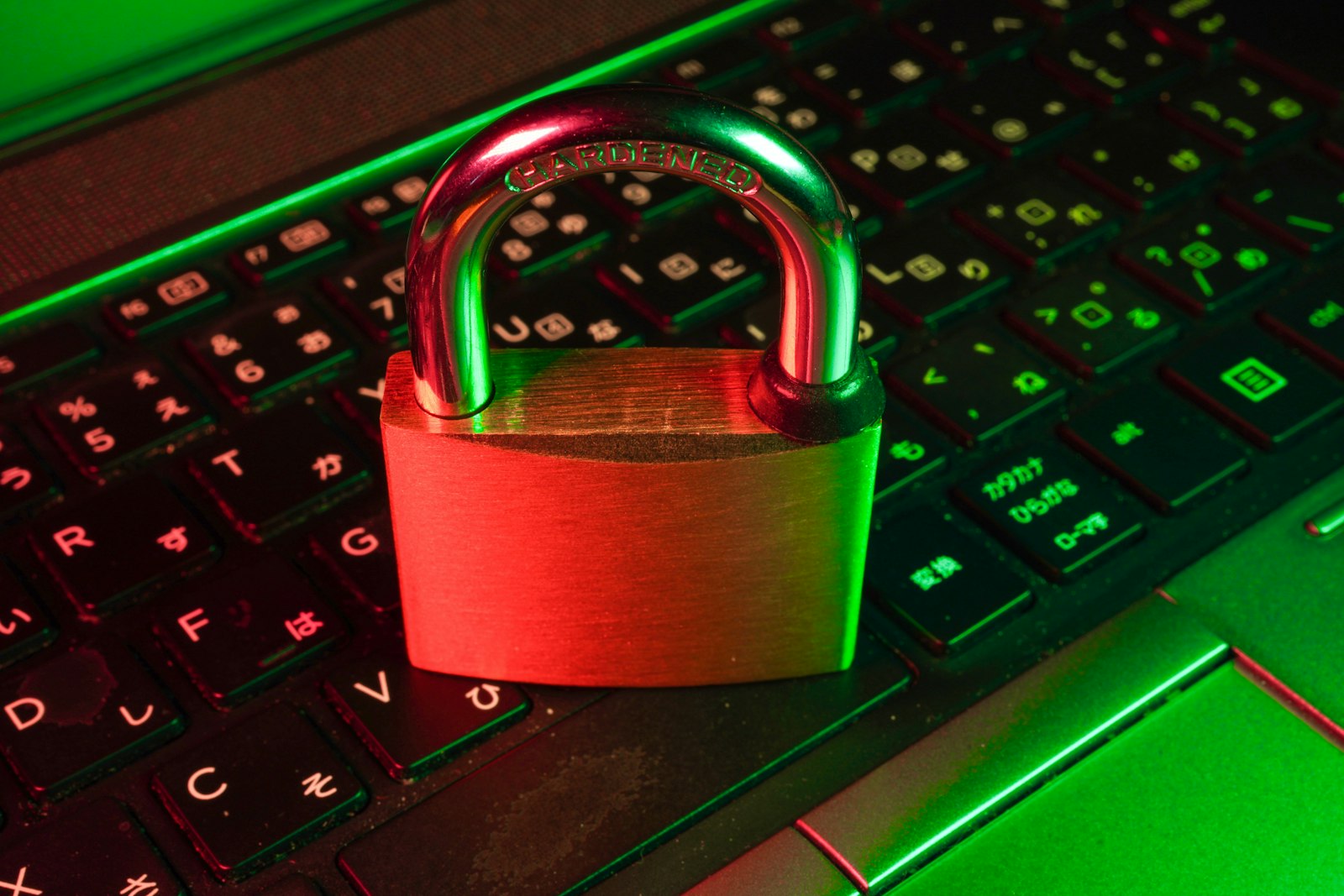
"Is my customer data safe?" — this is a question that rarely gets asked, even though it should be front and center. In my experience accompanying business owners as they build websites and applications, security is often treated as a later concern: something to be handled after the design is done, the features are complete, and the system is live. Yet that's precisely the point where customer data starts flowing in — names, phone numbers, emails, transaction histories. I wrote this article not to scare you, but to break down what's actually at stake, the gaps I encounter most often, and the first steps you can take starting today.
What's Really at Stake When Customer Data Leaks
Customer data isn't just a list of names and emails. There are phone numbers, addresses, purchase histories, sometimes even shopping habit patterns. When that data leaks, the first thing lost isn't the data itself — it's trust. Customers who feel their data isn't being protected won't ask questions first; they leave immediately, and they often take their story with them to others.
The operational impact is real too. Contact forms get flooded with spam, admin accounts get hijacked, website pages get replaced without permission, or the system has to be shut down temporarily for recovery. On top of that, with the enactment of the Personal Data Protection Law, managing customer data now carries legal consequences that can't simply be ignored. So business website security isn't just a technical matter — it's about the survival of the business itself.
The Security Gaps I Find Most Often
From my experience working with SME websites and applications, the gaps that appear are rarely as sophisticated as people imagine. They're usually simple:
- HTTPS not yet enabled or the certificate has expired, so login data travels without encryption.
- Weak admin passwords — easily guessable combinations, or still the default password from a template.
- No backups, or backups exist but are stored on the same server, so they're lost along with everything else when the server goes down.
- Access rights granted too broadly — every staff member is made an admin because it's more convenient.
- Core, plugins, and dependencies never updated for months on end.
Not a single item on this list requires a genius attacker to exploit. My conclusion so far: SME application security isn't about expensive firewalls, it's about fundamentals maintained consistently.
Must-Ask Questions for Vendors Before the Project Starts
If you're currently choosing a vendor to build your website or application, don't just ask about features and price. I recommend asking the following security questions for app vendors before signing anything:
- Where is customer data stored, and who can access it?
- How are user passwords stored? (the correct answer: hashed, not plain text)
- Is there an automatic backup, and has that backup ever been tested for restoration?
- What happens after handover — who monitors updates and new vulnerabilities?
- What's the response scenario if an incident occurs?
A serious vendor will answer calmly and specifically. One who dodges the questions usually hasn't thought about them at all. At PT Solusi Digital Kreasi, these questions are part of our work process from the planning stage onward, and I've also summarized some of the things clients frequently ask on the FAQ page.
Small Habits That Quietly Open the Door — and Realistic Costs
Often the vulnerability doesn't come from the code, but from everyday habits:
- A single admin account shared among everyone, with the password sent through a group chat.
- The same password used for email, the hosting panel, and the app's admin.
- Update notifications ignored because "the system is still running fine."
- Plugins or themes installed from unofficial sources.
- Staying logged in on an office computer used by multiple people.
As for cost, many business owners delay because they assume security is expensive. In reality, the basic foundation is relatively cheap: HTTPS can be obtained for free, and so can a password manager. What genuinely needs to be budgeted honestly is ongoing maintenance — and I've covered this openly in my article on how much app and website maintenance costs after launch.
The most important lesson I've taken from the projects I've handled: a secure system isn't the most expensive or the most complicated one, but the one with the right habits — updates that aren't postponed, backups that have actually been tested, and access granted only as needed.
First Step: A Light Audit for a System That's Already Running
If your website or application is already live, there's no need to panic or rebuild from scratch. Start with this light audit:
- Make sure all important pages are accessed via HTTPS.
- Check the list of admin accounts and deactivate any that are no longer used.
- Make sure backups run automatically — and have been tested for restoration.
- Clear out any updates that are still pending.
- Try guessing your own password. If you succeed within a few minutes, that's a clear signal.
An audit like this can be completed in a single work session. If the results leave you feeling uncertain, that's normal — it's actually a good starting point, not a reason to stop.
Security isn't a one-time project, but a habit that must be maintained. If you'd like to discuss the condition of your current website or application, or you're planning a new one and want security considered from the very beginning, feel free to reach out to me through the contact page. It's better to ask now than to have to explain to your customers later.