Customers Buy Once Then Vanish? How WhatsApp Follow-up Automation Drives Repeat Purchases Without Adding Admin Staff
Customers buy once then disappear? Learn how to build a WhatsApp follow-up automation to drive repeat purchases without hiring more admin staff.
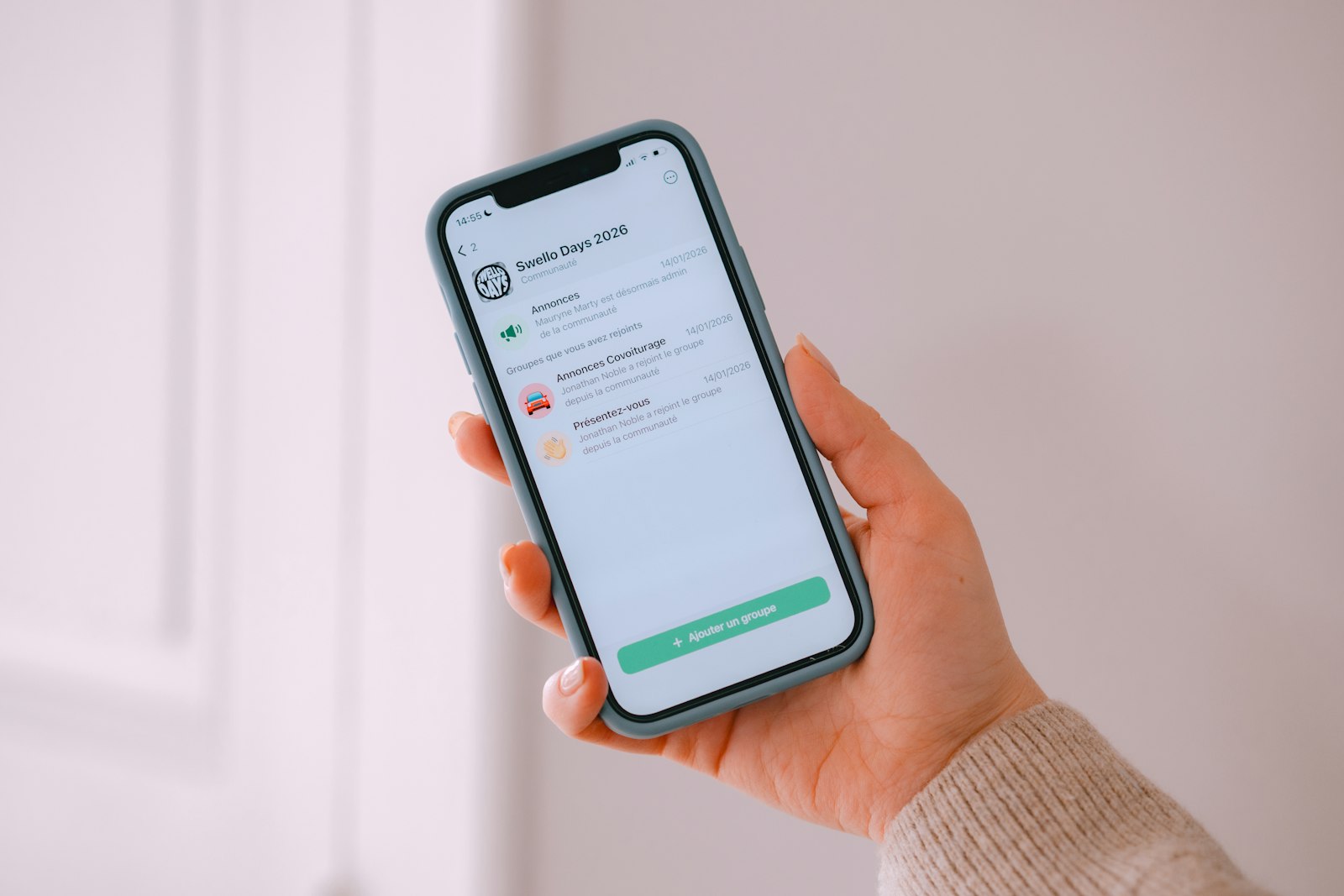
A pattern I've come across in almost every business project I've handled: an order comes in, gets processed, gets shipped, the customer is happy — then silence. No follow-up whatsoever. Yet that customer has already paid the "entry ticket" into your contact list. The most expensive cost in business isn't failed ads, it's customers who already trust you and are simply left to fade away. In this article, I want to discuss why this happens and how WhatsApp follow-up automation can close that gap without you having to recruit extra admin staff.
Why "lost" customers are the most expensive waste
Finding new customers costs money: ads, content, time. Existing customers don't. They already know your product, have already transferred payment, already know the quality. All they need is one thing: a reminder at the right time.
The problem is, most SMEs treat a transaction as the end point, not the beginning of a relationship. I often see customer databases that are nothing more than piles of unstructured WhatsApp chats. When they want to offer a new product or promotion, business owners scroll back through hundreds of chats one by one. The result? It never gets done, because it's simply too exhausting.
Why manual follow-up almost always dies after a few days
I don't blame the admin or the business owner. Manual follow-up is structurally doomed from the start. On the first day after an order is completed, enthusiasm is still high. By day three, new chats come in and priorities shift. Two weeks later, "I'll follow up tomorrow" has become a routine that never actually happens.
This isn't about discipline, it's about systems. Tasks that depend on human memory will always lose to tasks that are urgent and right in front of your eyes. Automation changes the logic: follow-up messages no longer wait for "free time" — they get sent automatically based on a predefined schedule and conditions.
How follow-up automation works: from order to re-offer
The basic flow is actually simple, and this is what often surprises my clients:
- Order comes in → customer data (name, product, date) is automatically saved in one place.
- Order completed → a thank-you message + usage tips are sent automatically, for example one day after.
- Satisfaction check-in → between day 3 and day 7, the chatbot asks whether the product is working well. This also opens the door for complaints before they turn into negative reviews.
- Re-offer → scheduled according to the product's usage cycle. For services, this could be a renewal reminder. For consumable products, a restock offer.
- Loyal customer promo → segmented broadcasts, for example only to those who have bought a specific category.
The key point: all of this runs on triggers, not memory. A completed order triggers a thank-you message. A specific date triggers a renewal offer. The admin doesn't need to remember anything.
The key lesson I've learned from building systems like this: automation isn't meant to replace the relationship with your customers, but to make sure that relationship never breaks simply because the admin is busy.
Example scenarios for services, distribution, and retail stores
- Service businesses (repair, cleaning, monthly subscriptions): the chatbot sends an automatic renewal reminder before the subscription expires, complete with package options. The customer simply replies, and a new order comes in without a single manual chat from the admin.
- Distribution/resellers: after delivery, the follow-up system asks about stock levels and offers a reorder. Wholesale customers usually forget to reorder until their stock is completely gone — a timely reminder is often what decides whether they buy from you or from a competitor.
- Retail stores: promotions for existing customers based on purchase history, not blind broadcasts to every contact. Those who bought skincare get skincare restock updates. This relevance is what keeps your messages from being treated as spam.
If your business is starting to accept online payments, this flow can also be combined with digital payments — I've written a comparison in my article about choosing a payment gateway for your business that can complement your repeat order system.
What you need (spoiler: no IT team required)
Three core components:
- A WhatsApp chatbot connected to your business number, with message templates you can edit yourself.
- Centralized customer data — it can be as simple as an automatically connected spreadsheet, or a lightweight database. The key: one customer = one row of data that can be triggered.
- Simple triggers: an incoming order, a specific date, or an order status change.
What I often emphasize to clients: start simple. You don't need a sophisticated system with generative AI and ten app integrations. A chatbot that sends five scheduled messages precisely is far more valuable than a complicated system that never gets finished.
Common mistakes that actually drive customers away
In my experience, automation failures usually aren't about the technology, but about the messages:
- Too frequent. Follow-up isn't bombardment. One or two relevant touchpoints are better than five promotional messages a week.
- Too "robotic". Stiff, generic messages instantly smell automated. Include the customer's name, a reference to the product they bought, and a human tone.
- No opt-out path. Always provide an option like "reply STOP if you no longer want to receive updates". This keeps your list healthy and your customers feeling respected.
- Blind broadcasts. Sending irrelevant promotions is the fastest way to get your messages ignored forever.
Start small, start this week
The first step I recommend: pick one follow-up touchpoint with the biggest impact — usually the reorder or renewal reminder — and automate that first. Measure the results for a month or two. If it works, add the next touchpoint. Compared to continuously increasing your ad budget to find new customers, activating the customers you already have is often the fastest way to grow revenue at the lowest cost.
If you'd like to discuss how this WhatsApp follow-up automation could be applied to your type of business — services, distribution, or retail — our team at PT Solusi Digital Kreasi can help you start by mapping out the flow. Visit our services to see the scope of our work, check the FAQ for commonly asked questions, or contact us directly through our contact page for an initial consultation.